LIGHTING & SHADING
Make changes conveniently from integrated controls instead of navigating individual systems.


ITAM's work with the Gary Sinise Foundation was never simply about the electronics. It was about making everyday experiences more convenient, accessible and comfortable for wounded veterans and their families.
EXPLORE THE SIX STORIES →Six projects, six individual families and six distinct sets of needs. ITAM partnered in the Foundation's larger homebuilding effort and designed the connected-home technology that made everyday functions easier to operate.
ELAN control, coordinated lighting and shades, climate, security, intercom, entertainment, and purposeful user interfaces—selected and programmed to fit each household.
Make changes conveniently from integrated controls instead of navigating individual systems.
Multi-zone temperature control and intercom capability that support everyday routines.
High-quality audio and video integrated alongside appropriately configured cameras and access.
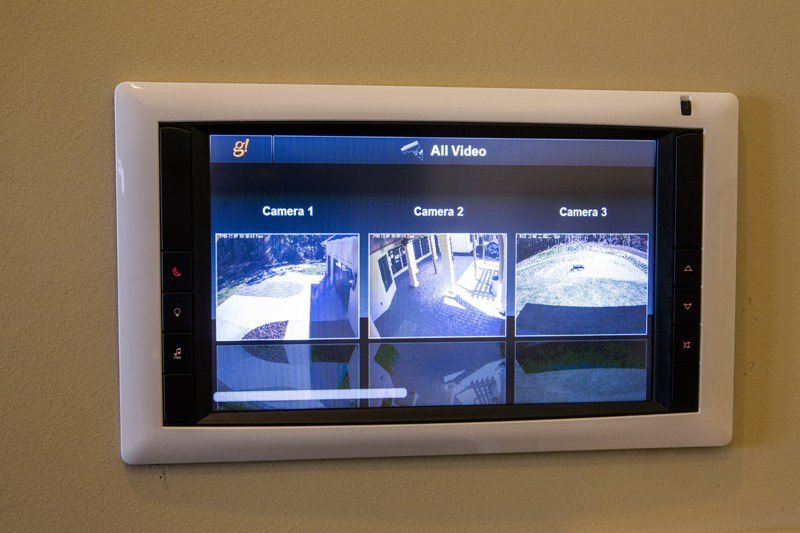
Original ITAM project photography.
READ JOHN'S STORY →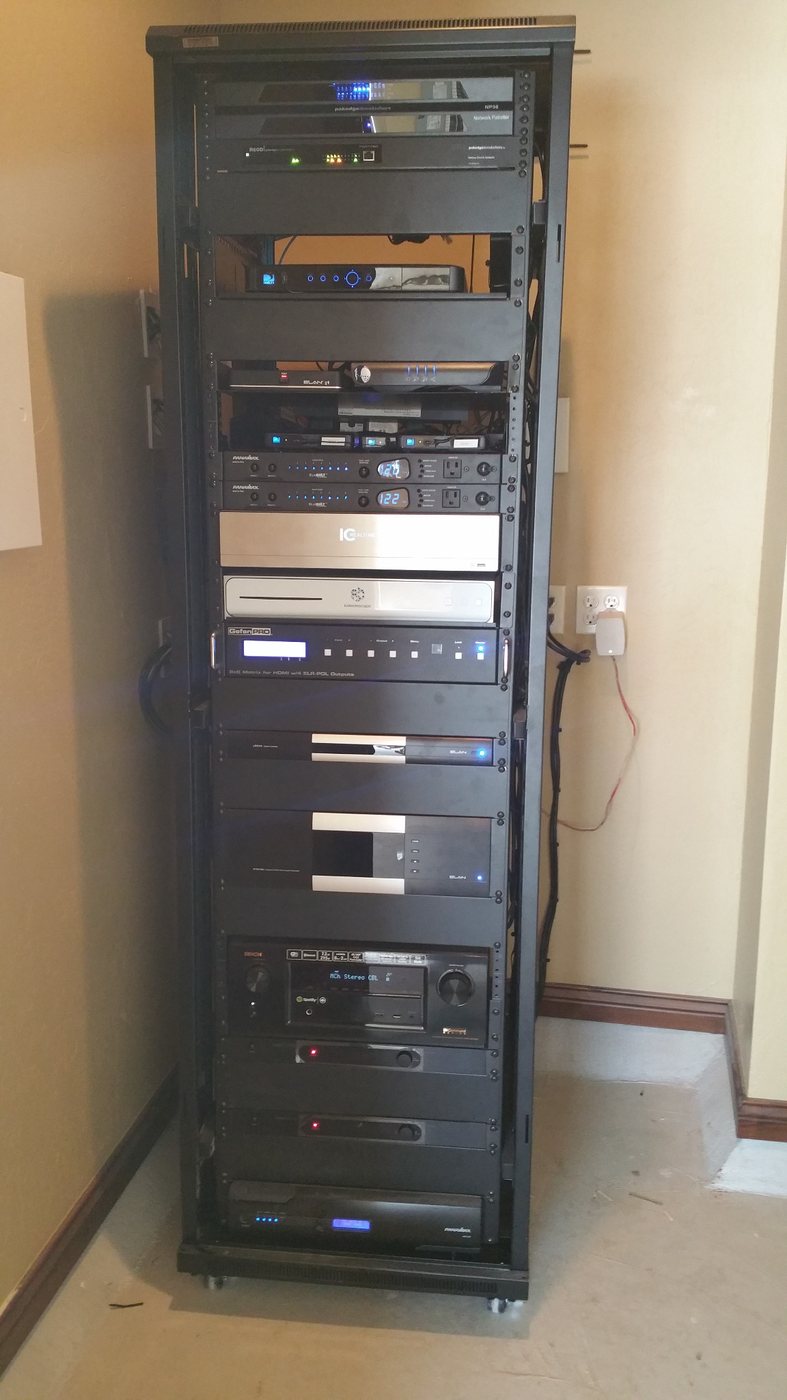
Original ITAM rack and integration work.
READ RUSTY'S STORY →The first Foundation R.I.S.E. residence ITAM supported, where an integrated approach to daily household technology began.
READ PROJECT STORY →Accessible ELAN control with Lutron lighting, multiple climate and audio zones, surveillance and a large-screen control interface.
READ PROJECT STORY →A specially adapted residence with motorized shades, climate control, electronically controlled doors and dedicated cinema.
READ PROJECT STORY →ELAN-based smart-home control and entertainment integration designed around everyday usability.
READ PROJECT STORY →A rural specially adapted home combining lighting, security, shades, entertainment and backup power.
READ PROJECT STORY →A specially adapted Maryland residence with ELAN-based control and Kaleidescape entertainment integration.
READ PROJECT STORY →These stories are supported by ITAM's original press archive and the Gary Sinise Foundation's published project accounts. The historical photographs and racks from the user-owned project archive are being kept associated with the correct homes rather than reassigned as generic imagery.